Let’s Build A Beautiful Website
Elegant Ethnic
Fashion For Women

Beautiful Visual Interface
The interface is clear and simple, every action is straightforward. Creating a new slider and adding slides are quick and easy process.

Fully Responsive Slider
You can adjust the layers on tablet and mobile view. Smart Slider 3 allows you to hide any layer of your full width slider on any device.

Fully Responsive Slider
You can adjust the layers on tablet and mobile view. Smart Slider 3 allows you to hide any layer of your full width slider on any device.


This brand focuses on creating a fusion of traditional Indian& modern styles. Ethnic clothing, as traditionally attire, deeply connects individual to their cultural heritage.Traditional dresses and ornaments, especially are used in India. They are used in past especially kings were used them . Now days it considered different types of pattern . Pride in one’s cultural roots. Bringing colorful and comfy ethnic wear for all your occasion . Celebrating timeless modern Indian handmade clothing We focus on the latest trends in fashion and bring to market products that are ethically produced and positively impact the world around us. We believe that fashion is much more than what we wear and use. Fashion is about who we are and what we represent.
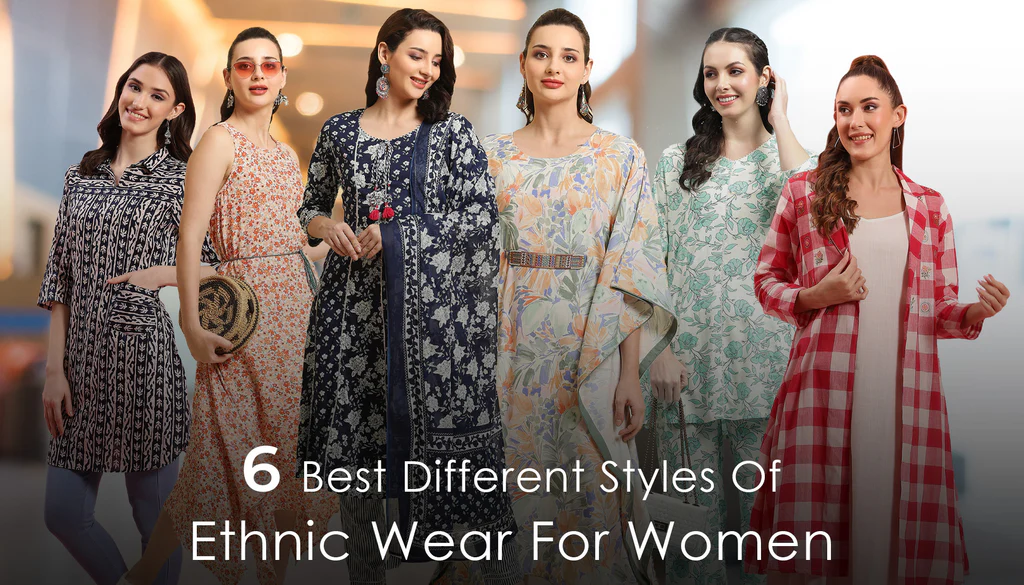
The beauty of ethnic wear lies in its versatility, as it can be worn in various styles, from traditional to contemporary. Ethnic sets for ladies are not only a representation of the country’s diverse history and traditions but also a reflection of women’s fashion choices and personal style.
There are countless styles of ethnic wear available for women, and choosing the right one can be a daunting task. From ornamental printed dresses to embroidered kurtas, each style has its own unique charm and appeal. In this blog, we will explore the six best different styles of ethnic wear for women that are perfect for any occasion.
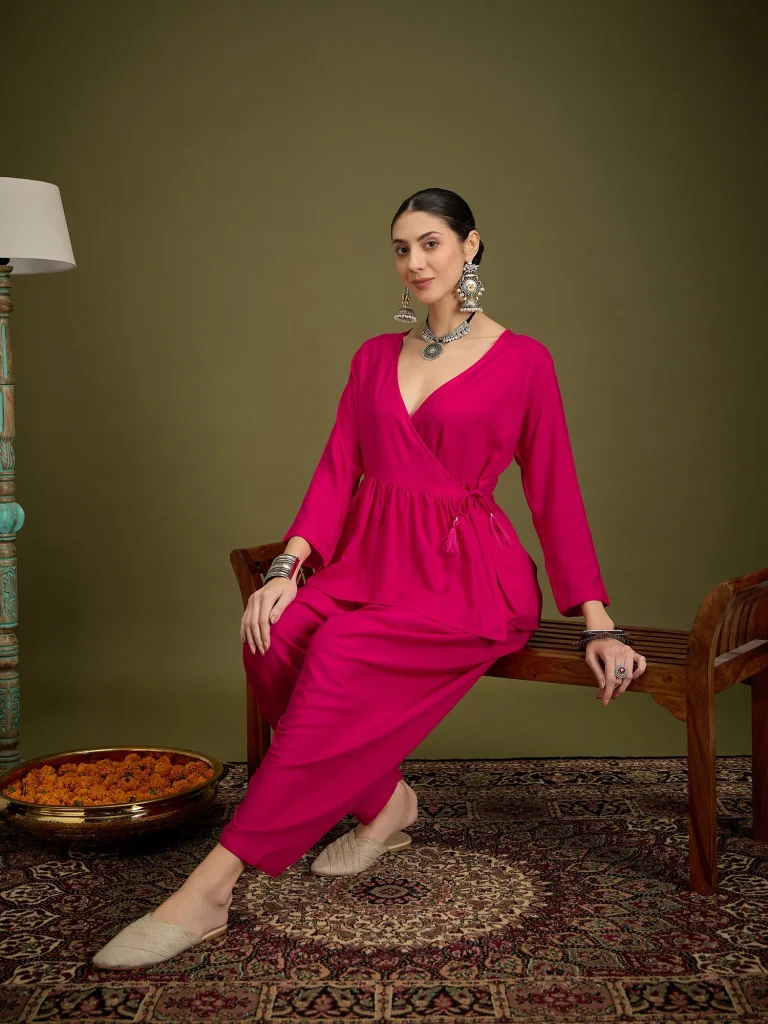
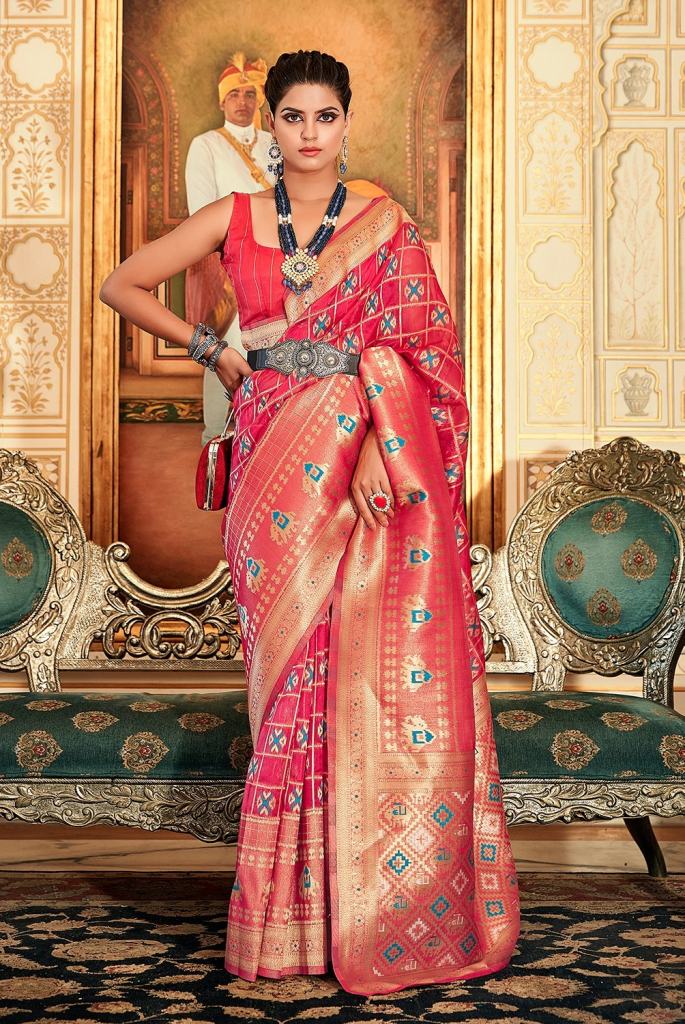
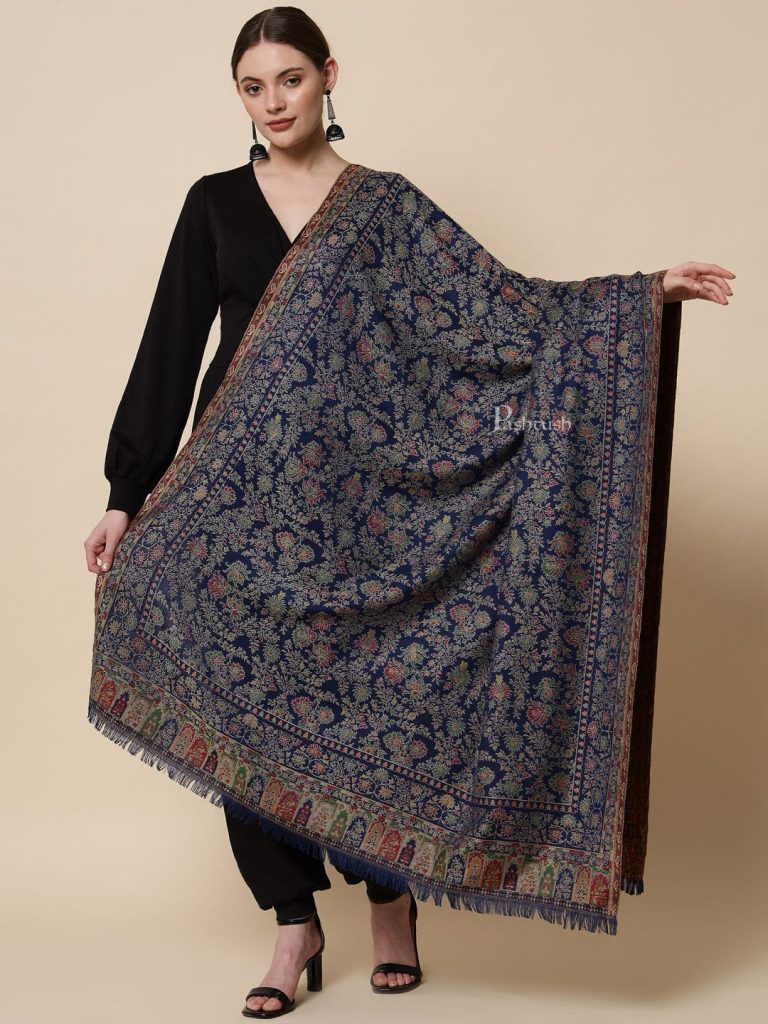
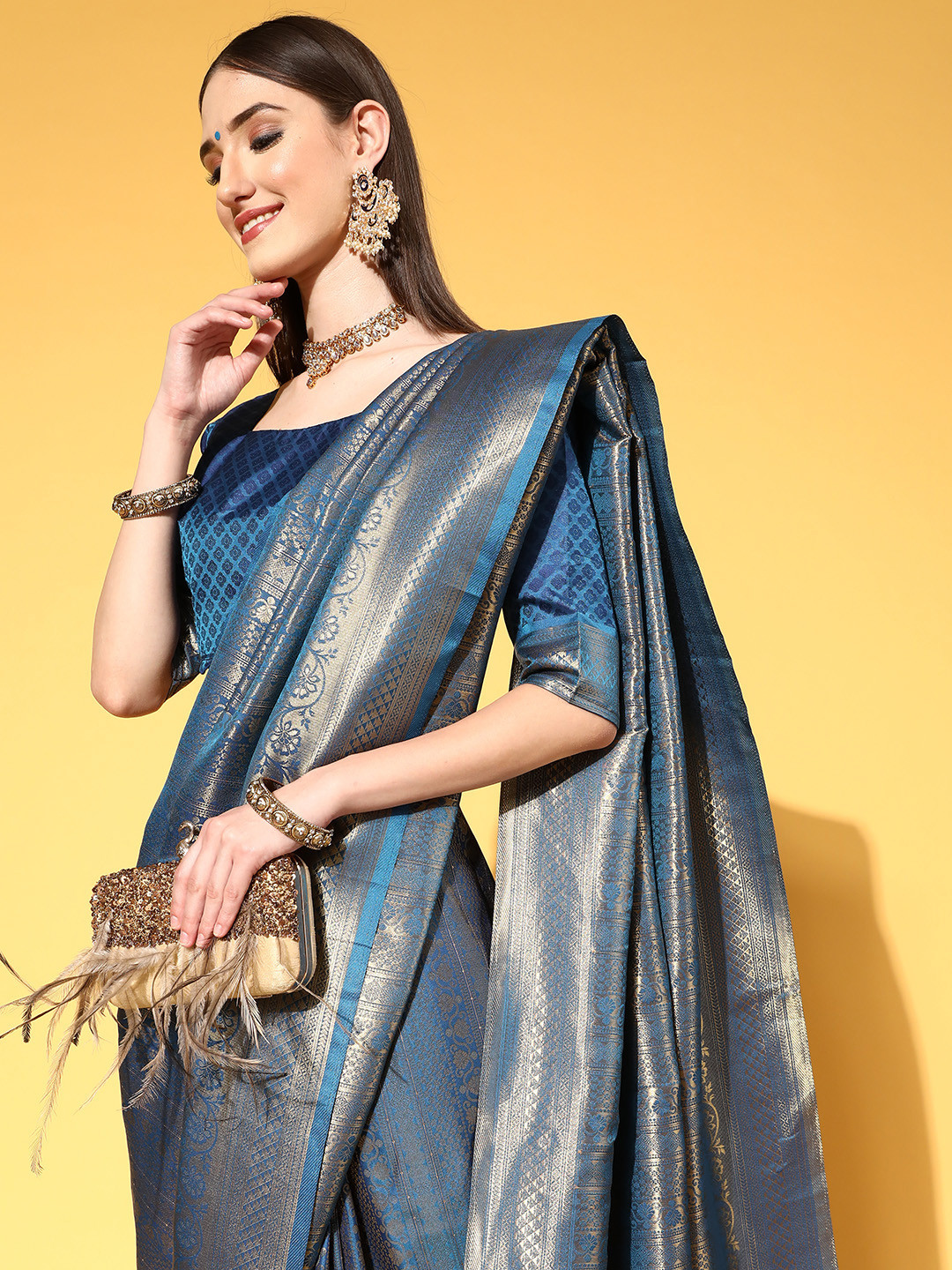
Ethnic sarees and shawls beautifully showcase the rich textile heritage and artistry of different cultures. A saree, with its graceful drape and intricate weaves, reflects regional traditions through patterns, colors, and craftsmanship—whether it’s the elegance of a Banarasi silk, the earthy charm of a handloom cotton, or the vibrant motifs of a Bandhani or Kanchipuram saree. Shawls, equally expressive, add warmth and style with their unique textures and designs, from the delicate embroidery of Kashmiri pashmina to the bold, woven patterns of Tibetan or Naga shawls. Together, ethnic sarees and shawls embody timeless elegance, telling stories of skilled artisans and celebrating the cultural identity they represent.